Uncategorized • July 28, 2026

Is Summer the Best Time to Buy a Home in Haywood County, NC?

Understanding the Best Seasons to Buy and Sell Real Estate in Western North Carolina


Is Summer Really the Best Time to Buy a Home?

Every season brings a different real estate market in Haywood County.

Some buyers assume summer is the best time to purchase because inventory is higher. Others wait until winter hoping to find bargains. Sellers often believe spring is the only good time to list.

The truth?

Each season offers different advantages depending on your goals.

Whether you’re relocating to Western North Carolina, buying your first home, searching for a vacation property, or preparing to sell, understanding seasonal market trends can help you make smarter decisions.


Spring (March–May): The Hottest Selling Season

https://images.openai.com/static-rsc-4/CMf1pgDrUCqumqDTWK9XYj-Ac9loILy36NMthqTR7IzTlwEVK8v6VaUKZhojaxrMnSVFL-EV2zP2EqFkhqBQkkRSYi3fnNV3bI7Q_3wIGOTy2FB369_MNGiZLnKfhU_wNjsCFR-GEuyXug9HyfrslD0dxF8TGs_kBIKVVFvkcwX3hvo6hUoJ0rdpIUvx-YC5?purpose=fullsize

Spring has traditionally been the busiest real estate season throughout Haywood County.

Longer days, warmer weather, blooming landscapes, and families hoping to move before the next school year all contribute to increased activity.

Buyers can expect:

  • Largest selection of homes
  • More competition
  • Faster-moving listings
  • Multiple-offer situations on desirable properties

Sellers benefit from:

  • Maximum exposure
  • Strong buyer demand
  • Better curb appeal
  • Higher likelihood of receiving strong offers

Best for: Sellers wanting maximum exposure.


Summer (June–August): High Inventory and Peak Relocation Season

https://images.openai.com/static-rsc-4/Rqv9WNbH-EN5Z-6L1B_rmj5FRLz4nB1JSiz3sFiv1EDkyv90yd1XfbxwWCi-LJH8q4XymVpP2ZOO2vTfPK_eI_rlcmmoCt1jWPIcYbpIk9WkLe1xoxv1JeTXoTkh7UVT6NNJvWY_avASN-f9RtOWmi9VVmISa25KIeRqVWVGdRX3mjin1oLKIAcZukuPNlcI?purpose=fullsize

Summer remains extremely active in Haywood County.

Visitors from Florida, South Carolina, Georgia, and other states often decide to purchase second homes or retirement properties after spending time in the mountains.

Many relocations also occur before the school year begins.

Advantages for buyers

  • More available homes
  • Easier scheduling for showings
  • Ability to see landscaping in full bloom
  • Better understanding of neighborhood activity

Challenges

  • More competition
  • Vacation-home demand increases
  • Well-priced homes may still sell quickly

Sellers enjoy

  • Excellent showing weather
  • Beautiful landscaping
  • Increased tourist traffic discovering the area
  • Strong relocation activity

Best for: Buyers wanting more choices and sellers wanting maximum visibility.


Fall (September–November): The Hidden Sweet Spot
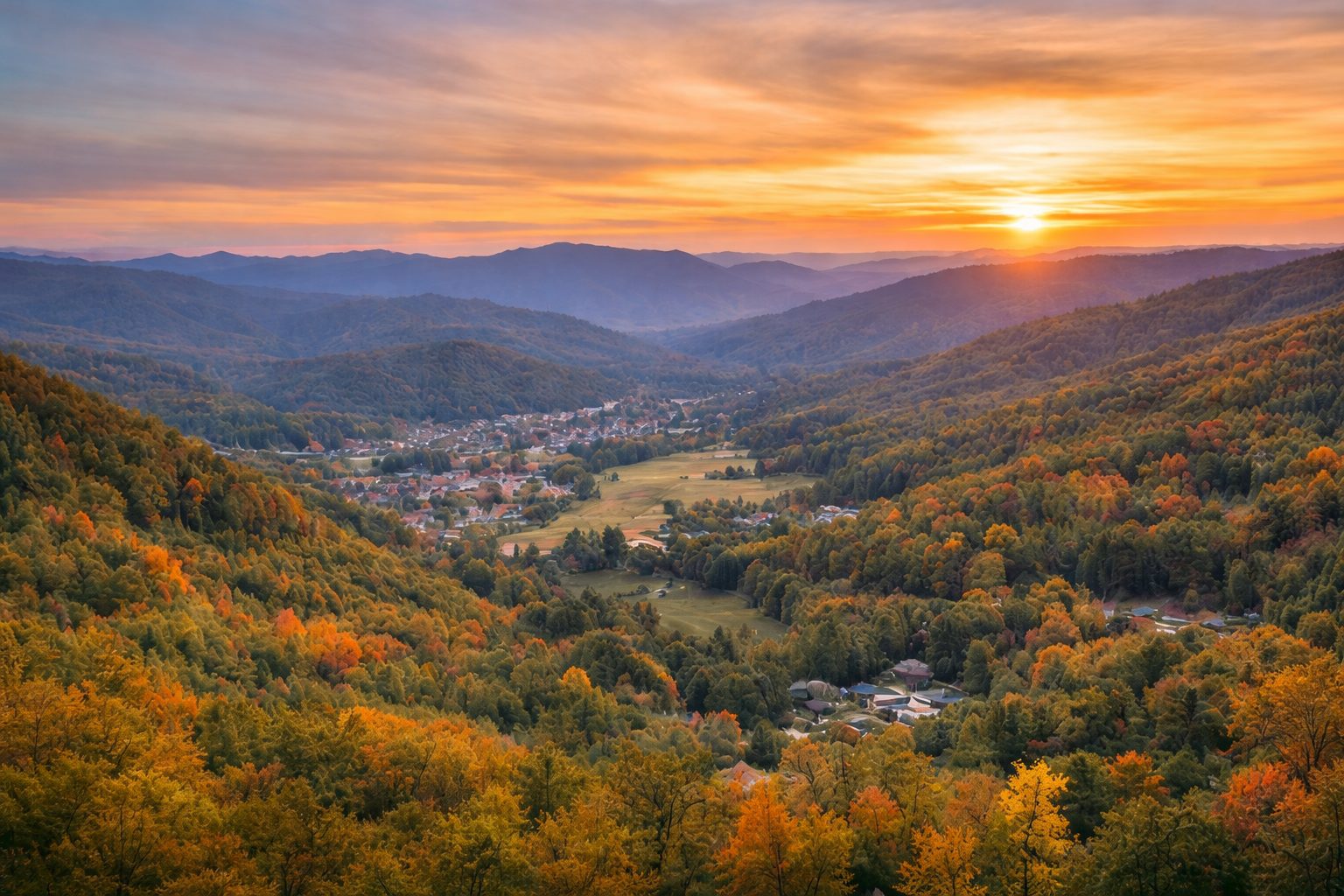
Many local REALTORS® consider fall one of the most underrated seasons to buy.

After summer vacations end, buyer competition begins to slow while many homes remain on the market.

In Western North Carolina, spectacular fall foliage also makes homes show exceptionally well.

Buyers often find:

  • Less competition
  • More negotiating opportunities
  • Motivated sellers
  • Pleasant weather for inspections

Sellers benefit from:

  • Serious buyers
  • Beautiful seasonal scenery
  • Less competition from new listings

Best for: Buyers seeking negotiating leverage.


Winter (December–February): Smallest Inventory, Most Motivated Participants

Winter is typically the slowest season for new listings.

However, that doesn’t mean it isn’t a great time to buy or sell.

People shopping during the holidays or early winter are usually serious buyers with a specific need to move.

Buyers may discover:

  • Motivated sellers
  • Less competition
  • Easier scheduling
  • Potential pricing flexibility

Sellers enjoy:

  • Less listing competition
  • Highly motivated buyers
  • Faster decision-making from qualified purchasers

The downside is that inventory tends to be at its lowest point of the year.


Seasonal Comparison

Season Inventory Buyer Competition Seller Advantage
Spring ⭐⭐⭐⭐⭐ ⭐⭐⭐⭐⭐ ⭐⭐⭐⭐⭐
Summer ⭐⭐⭐⭐⭐ ⭐⭐⭐⭐ ⭐⭐⭐⭐
Fall ⭐⭐⭐ ⭐⭐⭐ ⭐⭐⭐⭐
Winter ⭐⭐ ⭐⭐ ⭐⭐⭐

So…When Is the Best Time?

There isn’t a universal “best” season—it depends on your priorities.

Buy in Spring if you want:

  • Maximum selection
  • Fresh listings
  • The newest inventory

Buy in Summer if you want:

  • Plenty of choices
  • Time to move before school starts
  • A chance to experience neighborhoods at their busiest

Buy in Fall if you want:

  • Less competition
  • Better negotiating opportunities
  • Comfortable weather for inspections

Buy in Winter if you want:

  • Motivated sellers
  • Less competition
  • Potential value opportunities

The Haywood County Difference

Unlike many markets, Haywood County experiences a second wave of buyer activity during late summer and fall.

Leaf season attracts thousands of visitors who often become future homeowners after discovering communities like:

  • Waynesville
  • Maggie Valley
  • Lake Junaluska
  • Canton
  • Clyde
  • Jonathan Creek
  • Crabtree
  • Fines Creek

Many second-home buyers first visit on vacation before deciding to purchase.


Local Advice Matters More Than the Season

While seasonal trends are helpful, today’s market is still driven by pricing, inventory, mortgage rates, and individual buyer and seller goals.

Some of the best opportunities happen outside the “busy” season.

That’s why local knowledge matters.

At Better Homes and Gardens Real Estate Heritage, our agents monitor Haywood County market activity year-round and help buyers and sellers determine the right timing based on current conditions—not just the calendar.

Whether you’re thinking about buying your first home, relocating to the mountains, or preparing to sell, we’re here to help you make an informed decision. Call us anytime or email us at info@BHGHeritage for more information. Nobody Knows Homes Better. 


Suggested External Links

Buyer Tips • Buying a home in WNC • Estate Sale • July 24, 2026

What Happens If a Seller Dies While Their Home Is Under Contract in North Carolina?

What Happens If a Seller Dies While Their Home Is Being Sold in North Carolina?

https://images.openai.com/static-rsc-4/8SAspHqvCB6MAytYh4W71_tFExwqqNtvDrZQQjdKrp4noT1geEPJDCHUGBiOoP24VvLXM6c9oqqVr1kSTUyUxr67Ze3pUrCTPNjbg1u4_JKscC04uw9Q5NOFzEIfoSvke4bfKhj7BY3ezPqNJj9S7xjTXiZlfRI6MVfIJFLx5V8dmPR7Zj4GpWkQzKJxTVbM?purpose=fullsize

One of the more difficult situations that can arise during a real estate transaction is the unexpected death of a homeowner. It’s not something anyone likes to think about, but it is a question that occasionally comes up—especially when a home is already listed for sale or even under contract.

The good news is that a real estate transaction does not automatically end simply because the seller passes away. However, the process can become more complex depending on the ownership, the seller’s estate plan, and where the transaction stands.

Let’s walk through how this generally works in North Carolina.


First, Was the Home Already Under Contract?

If the seller signed a valid Offer to Purchase and Contract before passing away, the contract generally remains legally enforceable.

The obligations of the seller typically become the responsibility of the seller’s estate. That means the transaction may still close—but only after the proper person has legal authority to act on behalf of the estate.

Unfortunately, this often means the closing timeline will be delayed.


What If the Seller Had a Will?

Many people assume that because a will leaves the home to a son, daughter, or other family member, ownership transfers immediately upon death.

That isn’t usually how it works in North Carolina.

Instead, the will generally must go through the probate process before an executor has full legal authority to administer the estate. During probate:

  • The will is submitted to the Clerk of Superior Court.
  • An executor (or personal representative) is officially appointed.
  • The executor receives legal authority to manage estate assets.
  • The executor carries out the terms of the will, including completing a sale if appropriate.

Even if the home is ultimately going to a family member, the estate administration process usually needs to occur first.


Can the Family Member Just Sign the Closing Documents?

Usually, no.

Even if everyone agrees that the home was left to one heir, that beneficiary generally cannot simply step into the seller’s place and sign the deed immediately.

The person with authority is typically:

  • the Executor named in the will (once qualified by the court), or
  • another court-appointed personal representative if necessary.

Your closing attorney will verify who has legal authority before the transaction proceeds.


What Happens to the Existing Listing Agreement?

In many situations, the listing remains part of the estate administration, but the executor will usually work with the listing brokerage moving forward.

Depending on the circumstances, additional paperwork or amendments may be required.

A knowledgeable REALTOR® and closing attorney can help coordinate these steps with the estate representative.


What If the Home Was Owned by More Than One Person?

Ownership matters.

For example:

Joint Ownership With Rights of Survivorship

If spouses or other owners hold title with survivorship rights, ownership may automatically transfer to the surviving owner.

In many cases, this allows the sale to continue with fewer complications.

Sole Ownership

If the deceased owned the property individually, the estate administration process generally becomes necessary before the property can be conveyed.


Why Closings Are Often Delayed

https://images.openai.com/static-rsc-4/Es8nPZ02cTLiM1dfhlQaszrMzal3HaXkS_2RSu7Z1gn3_Km3N6tMW-PXwX7l6aQ67G8ozr16QXIrqypHfQEH5NtOO5grvi9xd2kj5TStTkm4LMZXo0oihtdzQOSRSjb2Fwk_geTlbpQ97EVKUk89yFkVaveYPag_85lbbQWAo4blYV0_LSLlc_aNGihS4vYJ?purpose=fullsize

Even when everyone wants the sale to proceed, several legal steps may need to occur first.

These can include:

  • Probate filings
  • Appointment of the executor
  • Verification of authority
  • Estate documentation
  • Updated closing documents
  • Additional title review

Because of these requirements, buyers often agree to extend the closing date while the estate administration catches up.


What Should Buyers Expect?

If you’re buying a home and learn the seller has passed away:

  • Stay in close communication with your REALTOR®.
  • Be prepared for possible delays.
  • Allow the closing attorney time to determine what documentation is required.
  • Avoid assuming the transaction has fallen apart.

Many estate sales successfully close—it simply may take additional time.


What Should Families Do?

If you’re the family of a homeowner who passes away during a sale:

  • Notify the listing agent immediately.
  • Contact the attorney handling the estate.
  • Continue communicating with the buyer.
  • Gather important estate documents.
  • Avoid signing documents until the proper legal authority has been established.

Having experienced professionals coordinating together can make an emotional situation much less stressful.


Every Situation Is Different

While these are common scenarios in North Carolina, every estate is unique.

Factors that can affect the transaction include:

  • Whether there is a valid will
  • How title was held
  • Whether probate is required
  • Existing liens or mortgages
  • Timing of the death relative to the contract
  • Estate administration requirements

Because of these variables, it’s important to work closely with both your REALTOR® and a North Carolina real estate attorney before making decisions.


How Better Homes and Gardens Real Estate Heritage Can Help

Real estate transactions don’t always follow the expected path. When unexpected life events occur, having experienced professionals on your side becomes even more important.

At Better Homes and Gardens Real Estate Heritage, we’ve helped buyers and sellers navigate complex situations while working closely with North Carolina closing attorneys to keep transactions moving whenever possible.

If you have questions about estate property, inherited homes, or a real estate transaction involving probate, we’re happy to help you understand the process and connect you with the appropriate legal professionals. Reach out anytine at info@bhgheritage.com.

Nobody Knows Homes Better.


Frequently Asked Questions

Does a real estate contract automatically cancel if the seller dies?

Generally, no. A valid contract is often still enforceable, although the estate may need time to obtain the legal authority necessary to complete the sale.

Can an heir sell the house immediately after someone dies?

Usually not. The estate must generally be administered, and the executor or personal representative must have authority before conveying title.

Will closing be delayed?

Often, yes. Probate and estate administration can add time before the sale can be completed.

Should buyers back out?

Not necessarily. Many transactions involving estates close successfully after appropriate extensions and legal documentation are completed.


Additional Resources

Buyer Tips • Buying a home in WNC • July 21, 2026

Who Pays the Buyer’s REALTOR® in North Carolina?

Who Pays the Buyer’s REALTOR® in North Carolina? Understanding the New 2026 Process


https://images.openai.com/static-rsc-4/QJZ98xs3B9zd5Kq0BUaIBwW99mG9o7ofMQ-Vyk6WL_bhH6R262yZM3iyYOYCdPlF6Y7SdxmrspVl-B_FP_Zuf8VE1Bak9QdfF3UN6Q2MGAsxdQEH3OFv1p5bI9z8jP6956eVhIGbLXZOi0S3F1RpdPlWgXe9vthvEFcgBUU8q95E70790eHT1dapGoe1ZIZb?purpose=fullsize

Beginning July 1, 2026, North Carolina introduced an important change to how buyer agent compensation is handled during a real estate transaction. While the paperwork used by REALTORS® changed, the goal remained the same: provide greater transparency and allow buyers and sellers to negotiate compensation as part of the overall purchase agreement.

If you’re planning to buy or sell a home in Western North Carolina, here’s what these changes mean for you.


The Biggest Change

The most significant change is not how much a buyer’s agent is paid—it’s when and how the seller’s contribution toward that compensation is negotiated.

Before July 1, a seller could authorize buyer agent compensation earlier in the listing process.

Today, any request for the seller to pay the buyer’s agent is negotiated as part of the purchase offer, alongside other important terms such as the purchase price, due diligence fee, earnest money, closing costs, repairs, and settlement date.

This gives buyers and sellers greater flexibility to structure an agreement that works for both parties.


Understanding Buyer Representation

One point that often causes confusion is how buyers are represented.

North Carolina offers more than one option.

Buyer Agency Agreement

Many buyers choose to enter into a Buyer Agency Agreement with their REALTOR®. This agreement establishes an ongoing agency relationship and outlines:

  • The services the REALTOR® will provide.
  • The duties owed to the buyer.
  • The compensation the buyer’s agent is entitled to receive if the buyer purchases a property.
  • The length of the agreement.

The Buyer Agency Agreement establishes the compensation agreement between the buyer and their REALTOR®.

Property Showing Agreement

Buyers who simply want to view a property are not required to immediately sign a Buyer Agency Agreement.

Instead, a REALTOR® may use a Property Showing Agreement, which allows a property to be shown without creating a full buyer agency relationship.

If the buyer later decides they would like ongoing representation throughout the purchase process, they can then enter into a Buyer Agency Agreement before moving forward with an offer.

Your REALTOR® can explain the differences between these agreements and help determine which option best fits your situation.


How Buyer Agent Compensation Works Today

https://images.openai.com/static-rsc-4/Hs1WCqItwgh0mUD61HW7lfNXsIZLOo5hy7Prc5n9Rrz2X5K6eMZ--2BUwsCqFkG0TsC5g4pZEB8kJ-v3M3pkcGCuCxn0gBeX0boFW1C2tzEsHgBsBt3nr9rqfHk-qLtu0M3vT_WYXjcfk93-OrsnKxSnLcZyWktdv7Iaody9WNFLxGM9bvgFCFL6cDps-3aO?purpose=fullsize

This is where the July 1 changes become important.

The Buyer Agency Agreement establishes the compensation the buyer’s agent is to receive.

The purchase offer determines whether the seller will contribute toward paying that compensation.

When a buyer submits an offer, they may request that the seller pay all or part of the buyer agent’s compensation.

The seller can:

  • Agree to pay the requested amount.
  • Offer to pay a different amount.
  • Decline to pay it.
  • Counter with other terms.

If the seller agrees to pay some or all of the requested amount, that contribution is applied toward the buyer’s obligation under the Buyer Agency Agreement.

If the seller does not agree to pay the full amount requested, the buyer remains responsible for any remaining compensation as outlined in their agreement with their REALTOR®.

In other words:

  • The Buyer Agency Agreement establishes the compensation.
  • The purchase offer negotiates who pays it.

Is Buyer Agent Compensation Still Negotiable?

Absolutely.

Just like the purchase price or closing costs, buyer agent compensation is now one of many negotiable terms in a real estate transaction.

Every offer is unique.

When reviewing an offer, a seller may consider:

  • Purchase price
  • Due diligence fee
  • Earnest money
  • Financing terms
  • Closing costs
  • Requested repairs
  • Settlement date
  • Personal property
  • Buyer agent compensation

Rather than focusing on a single item, buyers and sellers can evaluate the overall strength of the offer and negotiate terms that meet their respective goals.


What This Means for Buyers

https://images.openai.com/static-rsc-4/nA6FEPCcObj0nGRfSKtEZVSVCY_IqUl8udoT6QHhhiyGRm3eWvVViIpohiiq9ylB-Ejrbllxtrhw3_jlcOi_bT-B7UNLEWJi_Tobc3b7b7t6MiLROVeKol369pGGr6BPOglG5JUSGedoxuHeGlyygZQgUz6LWEDlxH1ESQH_wqKgxDBPB38Nu7r087f84Vqe?purpose=fullsizeFor buyers, the process begins with understanding how your REALTOR® will represent you and how compensation is addressed.

Before making an offer, you should:

  • Discuss your representation options with your REALTOR®.
  • Understand the compensation terms in your Buyer Agency Agreement, if you choose to enter into one.
  • Talk through strategies for requesting seller-paid buyer agent compensation.
  • Review how different negotiation outcomes could affect your overall costs.

Having these conversations early helps eliminate surprises later in the transaction.


What This Means for Sellers

For sellers, the new process provides additional flexibility.

Instead of addressing buyer agent compensation before your home is listed, you’ll review any request for seller-paid compensation as part of each individual offer you receive.

This allows you to evaluate every offer as a complete package and decide which combination of price, terms, and concessions best meets your objectives.


A Simple Example

Imagine a buyer and their REALTOR® have entered into a Buyer Agency Agreement that specifies the agent’s compensation.

The buyer submits an offer on a home and requests that the seller pay that amount as part of the transaction.

The seller might:

  • Agree to pay the full amount.
  • Agree to pay only a portion.
  • Decline the request and negotiate other terms instead.

The buyer can then decide whether to accept the seller’s response, continue negotiating, or explore other options.

This flexibility allows compensation to be considered alongside every other aspect of the transaction.


The Bottom Line

The July 1, 2026 changes did not eliminate buyer representation, nor did they require every buyer to sign a Buyer Agency Agreement before viewing a home.

Instead, North Carolina clarified how buyer representation and compensation work:

  • Buyers may use either a Property Showing Agreement or a Buyer Agency Agreement, depending on their circumstances and the level of representation they want.
  • A Buyer Agency Agreement establishes the compensation between the buyer and their REALTOR®.
  • The purchase offer is where the buyer may negotiate for the seller to pay all or part of that compensation.
  • The seller may agree, counter, or decline as part of the overall negotiation.

At Better Homes and Gardens Real Estate Heritage, we believe informed clients make confident decisions. Whether you’re buying your first home, relocating to the mountains, or preparing to sell your property, our experienced REALTORS® are here to explain every step of the process and help you navigate today’s real estate market with confidence. Reach us anytime at info@bhgheritage.com. Nobody knows homes Better.


Frequently Asked Questions

Do I have to sign a Buyer Agency Agreement before I can see a home?

No. North Carolina also allows the use of a Property Showing Agreement, which permits a REALTOR® to show a property without creating a full buyer agency relationship. If you later decide you want ongoing representation, you may choose to enter into a Buyer Agency Agreement.

What does the Buyer Agency Agreement do?

A Buyer Agency Agreement establishes the agency relationship between the buyer and REALTOR®, outlines the services to be provided, and specifies the compensation the buyer’s agent is entitled to receive if the buyer purchases a property.

Who pays the buyer’s REALTOR®?

That depends on the negotiations. As part of the purchase offer, the buyer may request that the seller pay all or part of the buyer agent’s compensation. The seller may agree, counter, or decline that request.

Does the seller have to pay the buyer’s agent?

No. Seller-paid buyer agent compensation is negotiable. Each seller decides whether to contribute based on the terms of the offer.

Did the July 1, 2026 changes eliminate buyer representation?

No. Buyers may still choose professional representation through a Buyer Agency Agreement. The July 1 changes primarily affected how seller-paid buyer agent compensation is negotiated, not the availability of buyer representation.


Additional Resources

Uncategorized • July 14, 2026

Vented vs. Unvented Gas Fireplaces: Pros, Cons, & Safety

Vented vs. Unvented Gas Fireplaces: Understanding the Pros and Cons and Which Is Best for Your Home

https://images.openai.com/static-rsc-4/X4G1u9Ag7RBXXNppYVTaSf62FIbGbw6gwCBrgN8LsCNYU6V9wSb3a1L-5ExJylBeIaCyPjvtjqe4ct5RLuBTNM-q-lq51RTeD2lhOnG_EtsxRfv4CjYbHxfKJrDGhQnATwx97c2kDanhwd0bv7AelHct89nX9bdzgIPzQkDpprWiexgCyZWxmK6gQhjONl6q?purpose=fullsize

Few home features create a warm, inviting atmosphere like a gas fireplace. Whether you’re shopping for a home in Western North Carolina or preparing your own home for sale, you’ll likely encounter either a vented or unvented (vent-free) gas fireplace.

Many buyers ask the same questions:

  • Which type is safer?
  • Which produces more heat?
  • Which costs less to operate?
  • Should I avoid buying a home with vent-free gas logs?

The answer isn’t as simple as saying one is “better.” Each system has advantages and tradeoffs. Understanding those differences can help homeowners make an informed decision.


What Is a Vented Gas Fireplace?

https://images.openai.com/static-rsc-4/sTPVSjmTTd2paITxZ6ILPzFvGAM0S72QK_NTg63dblB8UzzmqYrtX8m0YlZuvBUaLDBGUnf1kKzeo937BX7mmWMpBochTFholYwljnKlP164p6eQcspIto2D0TStnY9_2mtWzhYQ1eBlJ7ApDWKhP2Xp_CBzosx1ICFSZarG5OLPwzn7IWQL8hx4UKRDgdbq?purpose=fullsize

A vented gas fireplace sends combustion gases outside through either:

  • an existing chimney
  • a direct vent system through an exterior wall
  • a B-vent system

Instead of releasing combustion byproducts into the room, they are safely exhausted outdoors.

Advantages

✔ Excellent indoor air quality

✔ Very realistic flame appearance

✔ Little added indoor humidity

✔ Preferred for homeowners concerned with indoor air quality

Disadvantages

• Less heating efficiency because some heat exits through the vent

• Higher installation costs

• Requires a chimney or venting system

• Annual inspection is recommended


What Is an Unvented (Vent-Free) Gas Fireplace?

Unvented fireplaces burn natural gas or propane very efficiently and release nearly all of their heat into the room instead of through a chimney.

Modern units include important safety features such as:

  • Oxygen Depletion Sensors (ODS)
  • Automatic shutoff systems
  • Clean-burning burner designs

Because there is no vent, virtually all of the heat stays inside the home. Manufacturers often advertise efficiency approaching 99%, making these systems excellent supplemental heaters.


Advantages of Unvented Gas Fireplaces

Outstanding Heat Output

Almost all of the heat stays inside the room, making vent-free fireplaces excellent supplemental heat sources.

Lower Installation Costs

Since there is no chimney or venting system to install, the initial cost is often significantly lower.

Energy Efficient

Very little energy is lost through venting, resulting in lower fuel consumption for supplemental heating.

Flexible Installation

Vent-free units can often be installed in locations where a traditional vented fireplace would be impossible.


Potential Drawbacks of Unvented Fireplaces

The advantages come with important considerations.

Indoor Air Quality

Unlike vented systems, combustion byproducts remain inside the home.

While modern systems burn very cleanly, they still produce small amounts of:

  • carbon monoxide
  • nitrogen dioxide
  • carbon dioxide
  • water vapor

When installed correctly and maintained properly, these remain within certified operating limits, but they are still introduced into the indoor environment.


Increased Humidity

Every gallon of gas burned creates moisture.

Over time this can contribute to:

  • window condensation
  • elevated humidity
  • potential mold growth in very tight homes

Odors

Vent-free systems sometimes produce odors that homeowners notice, especially if:

  • dust accumulates on burners
  • candles are burned frequently
  • scented products are used
  • pet hair is present

These odors usually indicate contaminants burning rather than a malfunction.


Operating Time

Most manufacturers recommend using vent-free fireplaces as supplemental heat, not as a home’s primary heating source, and avoiding continuous operation for extended periods. Always follow the manufacturer’s instructions.


Safety Features in Modern Unvented Fireplaces

Today’s vent-free systems include several important safeguards.

Oxygen Depletion Sensor (ODS)

This device monitors oxygen levels in the room.

If oxygen drops below safe levels, the gas supply automatically shuts off.

Automatic Pilot Safety

If the flame goes out unexpectedly, gas flow stops automatically.

ANSI Testing Standards

Modern units sold in the United States must meet strict safety certification standards before installation.


Carbon Monoxide Detectors Are Essential

Regardless of whether your fireplace is vented or unvented, every home should have properly functioning carbon monoxide detectors.

This is especially important if the home contains:

  • gas fireplaces
  • gas furnaces
  • gas water heaters
  • attached garages

Detectors should be tested regularly and replaced according to the manufacturer’s recommendations.


Maintenance Matters

https://images.openai.com/static-rsc-4/TACbQ8QUWmKQZpHB8osuEjCV2Kl-2NN5yeKpExvlAOHuGUgnv5tdbMkeszNBClW7u1JQe20VdFl0oSRgSgtnHhnfjHWwZYHRSRcw_rQLSnHlilfYtxz0ioNa8XObTfJ0c6hI0Gc0_V0chIn-wM0mx-tphb0Z9U0o1kmw_pBXGhSY5vKTqegddbWiQdBcwO3k?purpose=fullsize

Regardless of fireplace type:

• Have the system professionally inspected annually.

• Keep burners clean.

• Never modify burner or log placement.

• Replace damaged components only with manufacturer-approved parts.

• Follow all manufacturer operating instructions.

A well-maintained fireplace is generally a safer fireplace.


Which Fireplace Produces More Heat?

Feature Vented Unvented
Heat Efficiency Moderate Excellent
Flame Appearance Outstanding Good
Indoor Air Quality Excellent Good when properly maintained
Installation Cost Higher Lower
Humidity Added Very Little Moderate
Supplemental Heating Good Excellent

Which One Is Better?

That depends on your priorities.

Choose a vented fireplace if you value:

• the most realistic flames

• maximum indoor air quality

• lower indoor humidity

Choose an unvented fireplace if you value:

• efficient supplemental heat

• lower installation costs

• installation flexibility

• reduced heat loss

Both systems are widely used and can provide years of reliable service when properly installed, maintained, and operated according to manufacturer guidelines and local building codes.


Final Thoughts

If you’re buying a home with either type of gas fireplace, don’t let its presence alone determine your decision.

Instead:

✔ Ask for maintenance records.

✔ Verify the fireplace has been professionally installed.

✔ Have it inspected during the home inspection period.

✔ Test carbon monoxide detectors.

✔ Learn how to operate the system correctly.

Understanding how each system works will help you enjoy the comfort of a gas fireplace while making informed decisions about safety, efficiency, and long-term maintenance. Reach out to one of our agents at Better Homes and Gardens Real Estate Heritage for assistance anytime at info@bhgheritage.com.


Frequently Asked Questions

Are unvented gas fireplaces safe?

Modern vent-free fireplaces are designed with safety features such as oxygen depletion sensors and automatic shutoffs. When properly installed, maintained, and operated according to the manufacturer’s instructions, they can be used safely as supplemental heating appliances.

Do vent-free fireplaces produce carbon monoxide?

Yes. They produce very small amounts of combustion byproducts, including carbon monoxide, which is why properly functioning equipment and carbon monoxide detectors are important.

Which fireplace is more efficient?

Vent-free fireplaces generally retain more heat inside the room because little to no heat escapes through a chimney or vent.

Which fireplace looks more realistic?

Most homeowners find vented gas fireplaces produce larger, more natural-looking flames that more closely resemble a traditional wood-burning fire.


Additional Resources

Uncategorized • July 10, 2026

Best Places to Eat in Haywood County NC | Local Restaurant Guide for Visitors

Best Places to Eat in Haywood County, NC: A Local’s Guide to Favorite Restaurants (2026)

https://images.openai.com/static-rsc-4/-y2feyIOrtj0GGzy2PFRDbMUScjdCFtZ2sV11zfDdbISLov2_pMM4SYaETx_BIXPy2T1RXv394ptZeEFjAYHWiMb5BRx4m3VcNDoD-zJLfdNMr8rfByCKNnwCv9sg7RR6923pdesK4lUcVQWGfftxo7nAUyw6LGX5J1cAgVFu3dol4a-lXAkR2zC2g5Jmm2J?purpose=fullsize

Whether you’re visiting for Independence Day festivities, escaping the summer heat, hiking in the Smokies, or exploring our charming mountain towns, one question inevitably comes up:

“Where are the best places to eat in Haywood County?”

As locals, we get this question all the time. The good news? Haywood County has become one of Western North Carolina’s best destinations for food lovers, offering everything from legendary breakfast spots and award-winning barbecue to upscale dining, breweries, bakeries, and family-owned favorites.

Here’s our local guide to some of the restaurants visitors shouldn’t miss during their stay.


Best Breakfast Restaurants

Joey’s Pancake House – Maggie Valley

https://images.openai.com/static-rsc-4/v_7Mbjoko8fbKFnRJgSicQRMF4jHHHvSlKxJJjPPbqMHmxdXJH8zXsYYCR-KlpkqFfKCAyUrJVzaJn-XMhinON01NWTJGRmG7SyzFfUxeHemd-fJwAbnjP3igPqOlmMb0wm_Kd4F8VcnIHZUNqKk-J4QsxsgSiTs4lXWUPQSr7ppM7CDxQxR4V2QSfwd4cve?purpose=fullsize

No breakfast list is complete without Joey’s. Serving visitors since 1966, it’s famous for enormous pancakes, homemade syrups, country breakfasts, and mountain hospitality.

Don’t miss:

  • Buttermilk pancakes
  • Apple walnut pancakes
  • Country ham
  • Fresh coffee

Perfect before heading to the Blue Ridge Parkway.


Blue Rooster Southern Grill – Waynesville

A local favorite offering hearty Southern breakfasts alongside creative brunch options.

Popular choices include:

  • Chicken & waffles
  • Biscuits and gravy
  • Shrimp and grits
  • Omelets

Smoky Mountain Coffee Roasters

Ideal if you’re looking for excellent coffee, breakfast sandwiches, pastries, and a relaxing atmosphere before exploring downtown.


Panacea CoffeeHouse

Located in the heart of downtown Waynesville, Panacea is beloved for fresh pastries, specialty coffee drinks, and outdoor seating.


Best Lunch Spots

Haywood Smokehouse

https://images.openai.com/static-rsc-4/7WZekmXDk-LwTGNEv_vvEkz0VSPG_5knzY47nsN8drDXryQHh3PeAjo8EgueBC3P5TRIvcuPA8APcFnU95OJWyhSU-wCiJE3ePX1_cDimkRrQWf-ljN1zGD3Me1tUYbr2di1dU6Ku-buLgiJsK1c2Wltr4ib8L5wX_8eQjE-SMtd8zx1Ioyffwa5KPifBeuY?purpose=fullsize

Frequently ranked among North Carolina’s best barbecue restaurants.

Menu favorites include:

  • Brisket
  • Pulled pork
  • Smoked turkey
  • Burnt ends
  • Homemade sides

Expect a line during weekends—it moves quickly.


Boojum Brewing Company

https://images.openai.com/static-rsc-4/UJ81mUNp1vGOmbTYBjlPA1XOYIVx4xKX5ZRinfU8qKp5E5smDfntF5LXDexB_gkaBEoKNC1aE1CqaqfJlsTkiVWA8NKcU8t2Mo7z3Lwhzh67TY1sRSCms2qqpOLNrwVko7Srk63M7CbvEtuZu8PG8nN7CpuD1_91w6nRS0pRTRWNjgZzYPMdMBw6pqX84BU1?purpose=fullsize

Great burgers, sandwiches, craft beer, and rooftop seating overlooking downtown Waynesville.

Perfect after shopping Main Street.


The Buttered Biscuit

https://images.openai.com/static-rsc-4/3gQQVJeJu4n7VflWcA9z_43uZaW9JPo4wEEQhbQhGgMS7U1B5YrFnd1DZD0ozVlrsSqDOcTMTYTEa8CpRj1pNGN1MWlRbNRj60KsSdv8E_qZum8d3ZVeQMt5V0DBXHyqio_xHOKiwfeBG5mH0slqPIMJqZjJoGYJxZ9U9NGsKLQGvmvVB9ODdZ4T1oPS_UD_?purpose=fullsize

Known for comfort food with generous portions.

Excellent for:

  • Sandwiches
  • Homemade soups
  • Breakfast served all day
  • Fresh baked biscuits

Best Dinner Restaurants

The Chef’s Table

https://images.openai.com/static-rsc-4/NtO-82deuYJCnQgAvzc_-Um9LzyvoUtt3Ro5YdaHrkPwOal5X_5loivFd_U6G90qFARjb90BSmgO_99AcX5DMXrvKBCVmVR90PLSyd-NvdcEDvcyT7pEnSehemDhwiyO6wsVXvqAsLy8g2pPs8xdiWKmw3H47EPDmnVwgT8alSGN2s0xVvpynHCnf2mv9nUa?purpose=fullsize

One of Haywood County’s premier fine dining experiences.

Expect:

  • Seasonal menus
  • Local ingredients
  • Exceptional wine selection
  • Romantic atmosphere

Ideal for anniversaries or special occasions.


Singletree Heritage Kitchen

An upscale yet approachable restaurant known for Appalachian-inspired cuisine and locally sourced ingredients.


Frankie’s Italian Trattoria

A Maggie Valley favorite serving classic Italian dishes in a cozy mountain setting.

Favorites include:

  • Homemade pasta
  • Lasagna
  • Seafood specials
  • Wood-fired pizzas

Kanini’s

An increasingly popular downtown Waynesville restaurant offering elevated American cuisine and creative cocktails.


Breweries & Casual Hangouts

https://images.openai.com/static-rsc-4/a1H-YECmf3g9Zr9SqWkIEQTGmfL2NID5Uacv5cBhmTFWpxcQ0g-DXrDo98RqDfFtg421Jyh9QVDCvJ0nMgqSuXSNdA1USrhtnN_7LZKgA0QsB0RH6Y8VTSa0dBAq-L-In_ATatBsQ5yFwL9ERlY7h9pyqL9XTx1n_pthmdFnZsEIRwbuCh2XGvg-Zuksnvxk?purpose=fullsize

Haywood County also boasts several excellent places to unwind after a day of exploring.

Frog Level Brewing – Historic Waynesville

  • Local craft beer
  • Outdoor seating along Richland Creek
  • Live music throughout the summer

Boojum Brewing – Downtown Waynesville Main St

  • Award-winning craft beers
  • Full food menu
  • Rooftop views

The Current Tavern– Canton

A scenic brewery overlooking the Pigeon River with excellent food and family-friendly seating.


Sweet Treats

https://images.openai.com/static-rsc-4/XdFRDzMZpRiRQCCkP4Zrh1aVXrOFQGe_CGvyMdYyrRruNd6JEC6cQH1ZXriX4h0AEhKAipuWzYdHu1_9v_UHmxVYpYNVi1KCeQ388OBlpuxPZqxE_DCYgvMnuKYEeyYLKQHYLvfjJ4WsEyGY6cB8lYDR8QBnQC_oMhgyMaXr71cwcIi3-dxMk9wfW9AiYx4o?purpose=fullsize

After dinner, satisfy your sweet tooth with:

  • Kilwins (ice cream and handmade chocolates)
  • Blue Ridge Donuts
  • Local bakeries throughout downtown Waynesville
  • Ice cream shops in Maggie Valley

Family-Friendly Restaurants

If you’re traveling with kids, these restaurants consistently receive great reviews:

  • Joey’s Pancake House
  • Boojum Brewing Company
  • Haywood Smokehouse
  • Frankie’s Italian Trattoria
  • The Buttered Biscuit

Most offer children’s menus and welcoming atmospheres.


Tips for July Visitors

July is one of Haywood County’s busiest months.

We recommend:

✔ Arrive early for breakfast.

✔ Make dinner reservations whenever possible.

✔ Expect longer wait times on weekends.

✔ Explore restaurants in Maggie Valley and Canton if downtown Waynesville is especially busy.


More Than Great Food

One of the things visitors love most about Haywood County is that many restaurants are locally owned. Owners often greet guests personally, chefs source ingredients from nearby farms, and each community offers its own unique dining experience.

Whether you’re spending the day hiking in the Great Smoky Mountains, attending a summer festival, exploring downtown Waynesville, or shopping in Maggie Valley, you’ll find outstanding food just minutes away.


Thinking About Making Haywood County Home?

Many visitors who come for a weekend eventually begin searching for homes here. It’s easy to understand why—beautiful mountain scenery, vibrant downtowns, welcoming communities, and fantastic local restaurants create an exceptional quality of life.

If you’re considering buying or selling a home in Haywood County, the local team at Better Homes and Gardens Real Estate Heritage would be happy to help you explore the area, answer your questions, and show you why so many people choose to call these mountains home. Reach out directly at info@bhgheritage.com to start a conversation about your next move. Nobody Knows Homes Better.


Frequently Asked Questions

What is the best restaurant in Haywood County?

There isn’t one definitive answer, but local favorites include The Chef’s Table, Haywood Smokehouse, Joey’s Pancake House, Singletree Heritage Kitchen, and Boojum Brewing Company.

What is the best breakfast in Maggie Valley?

Joey’s Pancake House is widely considered one of the best breakfast restaurants in Western North Carolina.

Where can I get barbecue in Haywood County?

Haywood Smokehouse is consistently ranked among the top barbecue destinations in North Carolina.

Are there breweries in Haywood County?

Yes. Boojum Brewing Company, Frog Level Brewing, and The Current are all popular choices.

What town has the most restaurants?

Waynesville offers the largest concentration of locally owned restaurants, breweries, bakeries, coffee shops, and fine dining establishments.


Additional Resources

Community Information • Local Town Highlights • July 9, 2026

Maggie Valley’s New Roundabout Is Open: What Drivers Need to Know and Why It’s Good for the Community

Maggie Valley’s New Roundabout Is Open: What Drivers Need to Know and Why It’s Good for the Community

NCDOT starts new roundabout in Haywood County
Just in time for one of the busiest tourism weekends of the year, Maggie Valley’s new roundabout is now largely complete and open to traffic.

If you’ve driven through town recently, you’ve probably noticed the dramatic change where U.S. 19 and U.S. 276 meet. While any major road project can create temporary inconveniences during construction, the finished product represents a long-term investment in safety, efficiency, and the future of Maggie Valley.

For both residents and the thousands of visitors arriving throughout the summer, the new traffic pattern should help keep vehicles moving more smoothly while reducing the types of crashes that commonly occur at traditional intersections.


Why Build a Roundabout?

Roundabouts have become increasingly common across North Carolina—and for good reason.

Unlike traditional intersections that require traffic signals or multiple stop points, roundabouts allow vehicles to continuously flow through the intersection at lower speeds.

The North Carolina Department of Transportation selected a two-lane roundabout for this location as part of a broader effort to modernize the U.S. 276 corridor, improve safety, reduce conflict points, and increase traffic capacity. The project also includes improved turn lanes, safer median designs, paved shoulders, and better traffic movements throughout the corridor.


The Proven Benefits of Roundabouts

1. Improved Safety

Perhaps the biggest advantage is safety.

Traffic studies from the Federal Highway Administration have consistently shown that converting traditional intersections to roundabouts can reduce:

• Fatal crashes by approximately 90%

• Injury crashes by roughly 75%

• Overall crashes by around 35%

Because everyone travels in the same direction and at slower speeds, severe T-bone and head-on collisions become much less likely.


2. Better Traffic Flow

One of the biggest frustrations during busy weekends in Maggie Valley has always been waiting through multiple traffic light cycles.

Roundabouts keep vehicles moving.

Instead of stopping everyone on every approach, drivers simply yield when necessary and continue through the intersection.

The result is:

• Shorter delays

• Less stop-and-go traffic

• Reduced congestion during peak tourism seasons

• Smoother travel for local residents

Numerous transportation studies have shown that well-designed roundabouts often handle traffic volumes more efficiently than signalized intersections, particularly during periods of heavy traffic.


3. Lower Vehicle Emissions

When cars spend less time idling at red lights, they burn less fuel.

That means:

• Lower fuel consumption

• Reduced vehicle emissions

• Less wear on brakes

• A quieter intersection overall

It’s a small improvement for each vehicle, but it adds up significantly over thousands of cars each day.


4. Better During Power Outages

Mountain weather can be unpredictable.

Unlike traffic signals, roundabouts continue functioning even if electricity is interrupted.

Drivers simply yield to circulating traffic and continue safely through the intersection.


A Gateway Into Maggie Valley

For many visitors, this intersection serves as the first impression of Maggie Valley.

Whether arriving from:

• Waynesville

• Lake Junaluska

• Interstate 40

• The Great Smoky Mountains

• The Blue Ridge Parkway

This entrance now provides a cleaner, more organized traffic pattern that reflects the community’s continued investment in its future.


It May Feel Different at First

If you’re not accustomed to driving through roundabouts, they can seem unfamiliar the first few times.

Fortunately, they’re simple.

Basic Tips

✔ Slow down as you approach.

✔ Yield to traffic already inside the roundabout.

✔ Choose your lane before entering.

✔ Do not stop once you’re in the circle unless necessary.

✔ Use your turn signal when exiting if practical.

After a few trips through, most drivers find them easier and faster than traditional intersections.


Supporting Maggie Valley’s Continued Growth

Tourism continues to be one of Haywood County’s largest economic drivers.

As visitor numbers increase each year, infrastructure improvements become increasingly important.

The new roundabout is designed to:

• Improve visitor access

• Support local businesses

• Reduce traffic backups

• Improve overall roadway safety

• Prepare for future growth

These investments help ensure Maggie Valley remains one of Western North Carolina’s favorite mountain destinations.


Looking Ahead

Large construction projects often require patience, especially in communities that welcome hundreds of thousands of visitors annually.

Now that the roundabout is largely complete, residents and visitors alike should begin experiencing the long-term benefits that transportation engineers have documented across the country for years.

Like many improvements, its greatest success may be something drivers hardly notice at all: fewer crashes, smoother traffic, and a safer gateway into one of North Carolina’s most beloved mountain towns.

Whether you’re visiting for a weekend getaway, enjoying the Blue Ridge Parkway, or considering making Maggie Valley your permanent home, getting around town just became a little easier.


Thinking About Living in Maggie Valley?

At Better Homes and Gardens Real Estate Heritage, we live and work right here in Haywood County. If you’re exploring homes, cabins, land, or investment property in Maggie Valley, our local expertise can help you navigate not only the real estate market—but the community itself.

Whether you’re relocating, retiring, or searching for a mountain getaway, we’d love to help you find the right place to call home. Reach out directly at info@bhgheritage.com to start a conversation about your next move. Nobody Knows Homes Better.

Additional Resources

Community Information • July 4, 2026

Things to Do in Haywood County, NC This July: Your Guide to Summer Fun After the Fourth of July

Things to Do in Haywood County, NC This July


Local Town Highlights • July 3, 2026

Fireworks in Haywood County NC 2026 | Complete Fourth of July Guide

Fireworks in Haywood County, NC (2026): Where to Celebrate the Fourth of July

https://images.openai.com/static-rsc-4/D_ax3RlGJausEvbelsKcPNDIJ39utGTf0y-vnEZtSug_8cSYBnoybpUc4gZi0oCKQuy11cpPVebILr_8WT-0NbvE-rNI7goLPgeEUyjmd9f3KPPnauuHWMwmo2IBI1f8qu8g2HVWk8sqQbMhNi9NjeMktGIEUAgXoPugQYcCci_hjs3BgyoOMjVBHjk4tz1T?purpose=fullsize
Few places celebrate Independence Day quite like the mountains of Western North Carolina.

Whether you’re a local resident, visiting family for the holiday, or considering buying a home in the area, Haywood County offers several outstanding Independence Day celebrations, each with its own unique atmosphere. From lakeside fireworks to small-town parades and mountain festivals, there’s something for everyone during America’s 250th birthday celebration.

Here’s your guide to the biggest fireworks displays and Fourth of July events throughout Haywood County for 2026.

Lake Junaluska Independence Day Celebration

One of the area’s signature celebrations returns with a full week of patriotic events.

Highlights

• Fireworks over the lake (approximately 9:15 PM on July 3)

• Patriotic concerts

• Kayak and paddleboard flotilla

• Family activities

• Walking trails with beautiful fireworks viewing

• Floating Lantern Ceremony

• Parade and community celebrations

The fireworks reflected across the water create one of the most photographed Independence Day scenes in Western North Carolina.

Pro Tip: Arrive early. Parking fills quickly and the lakeside walking path provides several excellent viewing locations.

Maggie Valley Backyard Fourth

https://images.openai.com/static-rsc-4/Icd6TiG0-W6N7IJFSoJWNNKq3eVflXL9gPPNo-e1AsWAYg2KgPSHubQ1SC1_SXzBBasEQ3KpUDprp-kBGKWnfSrXAaasAglkU713vfKGn3dCbqYgFfXNh7AgHuUibaldd5R-cbwkz_egQlA8IQb-_sijutlUoT_LAMSdiisz4NMiIx4cJ_6J6Cos9OlTX0Dw?purpose=fullsize

If you’re looking for a classic hometown celebration, Maggie Valley delivers.

Event Details

• Festival Grounds

• Gates open in the afternoon/evening

• Bring blankets and lawn chairs

• Family games

• Picnic-friendly atmosphere

• Fireworks begin after dark

This has become one of Haywood County’s favorite annual traditions, attracting both locals and visitors from across the Southeast. Admission is free.

Downtown Waynesville

Waynesville celebrates with hometown charm.

Families can enjoy:

• Annual Stars & Stripes Kids Parade

• Downtown shopping

• Restaurants and ice cream shops

• Patriotic decorations throughout Main Street

Many visitors spend the afternoon exploring downtown before heading to nearby fireworks celebrations later in the evening.

Canton Independence Celebration

Canton traditionally wraps up Haywood County’s Independence Day festivities with its own community celebration and fireworks, giving residents another opportunity to celebrate over the holiday weekend.

Suggested Weekend Itinerary

July 3

Morning

• Explore Waynesville shops

Afternoon

• Relax at Lake Junaluska

Evening

• Fireworks over Lake Junaluska

July 4

Morning

• Downtown Waynesville Kids Parade

Lunch

• Local restaurants in Waynesville or Maggie Valley

Afternoon

• Great Smoky Mountains sightseeing

Evening

• Maggie Valley Backyard Fourth fireworks

July 5

Spend the day exploring Haywood County before finishing the weekend with Canton’s Independence celebration.

Tips for Enjoying the Fireworks

✔ Arrive at least one hour early.

✔ Bring folding chairs or blankets.

✔ Expect mountain evenings to cool down after sunset.

✔ Bring a flashlight for walking back to your vehicle.

✔ Cell service may become congested immediately after fireworks.

✔ Be patient leaving parking areas—traffic is part of the holiday experience.

Why So Many People Fall in Love with Haywood County

Every summer, thousands of visitors come to Haywood County for celebrations like these and discover why so many eventually decide to make the mountains their home.

From Maggie Valley and Waynesville to Canton, Clyde, and Lake Junaluska, the combination of mountain scenery, friendly communities, outdoor recreation, and year-round events makes this one of Western North Carolina’s most desirable places to live.

If you’re thinking about relocating, purchasing a vacation home, or investing in mountain property, attending local community events is one of the best ways to experience the area’s lifestyle firsthand.

Planning Your Move to Western North Carolina?

At Better Homes and Gardens Real Estate Heritage, we help buyers discover homes throughout Haywood County and the surrounding Western North Carolina mountains.

Whether you’re searching for:

• Mountain-view homes

• Cabins

• Downtown living

• Lake-area property

• Retirement homes

• Investment properties

Our local experts are here to help you explore everything our mountain communities have to offer.

Browse available listings, explore our community guides, or contact our team to begin your Western North Carolina home search.

For tailored guidance and a clear strategy, connect with us at Better Homes and Gardens Real Estate Heritage.

Reach out directly at info@bhgheritage.com to start a conversation about your next move.

Nobody Knows Homes Better.

Additional Resources

Buyer Tips • Uncategorized • July 3, 2026

What Does It Really Cost to Buy a Home in Western North Carolina? A Complete Guide for 2026 Buyers

What Does It Really Cost to Buy a Home in Western North Carolina?

One of the most common questions we hear from buyers is:

“How much money do I actually need to buy a home?”

Many people focus entirely on the purchase price, but there are several other costs involved in the home-buying process. Whether you’re relocating to the mountains, purchasing your first home, looking for a vacation property, or planning retirement in Western North Carolina, understanding the complete financial picture can help you make smarter decisions.

At Better Homes and Gardens Real Estate Heritage, we help buyers throughout Haywood County, Maggie Valley, Waynesville, Canton, Clyde, Lake Junaluska, and surrounding Western North Carolina communities navigate the process every day.

Let’s break down the real costs buyers should expect in 2026.


The Purchase Price Is Only the Beginning

https://images.openai.com/static-rsc-4/i9jsFA2ws5WnCGKo-t9IiKnsm2nuWjl19FgJr_J2kNCg9xKUDtaOTuQ6lFMmy8VmsfayVyJL4vfnS-QP4KLum2Cvctj8ytZcCb93GzWZa1rJ9uUCHLE-kkWgJChYmIcVRS0M8shUCXlV8LgDg07xvyM7HbwcQEpW-RvDaul4DpVfskXi0OLf450beGiowCyQ?purpose=fullsize

The home’s price is obviously the largest expense, but it is not the only one.

For example:

A buyer purchasing a $400,000 home may not need $400,000 in cash, but they will likely need funds for:

• Down payment

• Earnest money deposit

• Due diligence fee (North Carolina)

• Inspections

• Appraisal

• Closing costs

• Insurance

• Moving expenses

Understanding each category ahead of time prevents surprises later.


How Much Down Payment Is Required?

One of the biggest misconceptions is that buyers must put 20% down.

While 20% is certainly an option, many loan programs allow much less.

Common Down Payment Examples

Home Price 3% Down 5% Down 10% Down 20% Down
$300,000 $9,000 $15,000 $30,000 $60,000
$400,000 $12,000 $20,000 $40,000 $80,000
$500,000 $15,000 $25,000 $50,000 $100,000

Depending on the loan program, qualified buyers may have options requiring even less.

A trusted lender can help determine which programs fit your situation.


North Carolina Due Diligence and Earnest Money

One aspect of buying a home in North Carolina that often surprises out-of-state buyers is the Due Diligence Fee.

Due Diligence Fee

This fee is paid directly to the seller shortly after the contract is accepted.

The amount is negotiable and varies based on:

• Market conditions

• Property price

• Competition from other buyers

• Seller expectations

Earnest Money Deposit

Earnest money is typically held in escrow and credited toward the buyer’s purchase at closing.

Like due diligence, the amount is negotiated between buyer and seller.

These deposits demonstrate a buyer’s commitment to the transaction.


Home Inspection Costs

https://images.openai.com/static-rsc-4/clTGuHC2ZGMGkY5c3S-ixdemQVCRiTMkrYu1GL54dMZAAFGeDaBBbw615sOhjHegwnYHcbfXuUJc74UI_s7hX332Y-SFPdJB4u85e7JwHqyU2cT_j-5q14U5dUK7DaLp698jK4qhhdJQiSSGRemOnpxXboGKHBXxsXoKdh1q3wJv0yK2SrIAw7HkMtkiQSrD?purpose=fullsize
Inspections are among the most valuable investments a buyer can make.

Depending on the property, buyers may choose:

General Home Inspection

Typically evaluates:

• Structure

• Roofing

• HVAC systems

• Plumbing

• Electrical systems

• Appliances

Additional Inspections May Include

• Radon testing

• Well testing

• Septic inspections

• Pest inspections

• Mold evaluations

• Survey work

Mountain properties often have unique features such as private wells, septic systems, steep driveways, and retaining walls that deserve careful review.


Appraisal Costs

If financing is involved, the lender will typically require an appraisal.

The appraisal helps determine whether the home’s value supports the loan amount being requested.

This expense is usually paid by the buyer and occurs during the financing process.


Closing Costs: What Buyers Often Forget

Closing costs typically include a variety of lender and settlement-related expenses.

These can include:

• Loan origination fees

• Title work

• Attorney fees

• Recording fees

• Credit report fees

• Tax prorations

• Homeowners insurance escrows

• Property tax escrows

Many buyers are surprised that closing costs exist in addition to their down payment.

Planning ahead helps avoid last-minute stress.


Homeowners Insurance in Mountain Areas

Insurance is another important budget item.

Factors that influence premiums include:

• Home value

• Construction type

• Age of the home

• Location

• Fire protection availability

• Previous claims history

In some mountain communities, insurance rates can vary significantly depending on access and distance from fire protection services.

Working with a local insurance provider often helps buyers identify the best options.


Don’t Forget Moving Costs

Moving expenses vary greatly but often include:

• Professional movers

• Truck rentals

• Utility transfers

• Storage units

• Furniture purchases

• Appliance upgrades

• Internet installation

Many buyers focus so heavily on closing costs that they forget to budget for the first few weeks after moving into their new home.


Special Considerations for Mountain Homes

https://images.openai.com/static-rsc-4/AUvqk2eNy2Ed8YF_Ct1RG1vYe3o9fgtoNj9oj6eC6t5K9foQ44PoqXubehT2-hDj0HnEt3blbjX1gFKttkvy2_JNnkhgDQcAsaL094Jg2lDnBXh3fcv5eJppX5Szt_xoNB3fQJTmegfoc_AEYzaMZJjsgp4EHRHTJJv7dpJ321HqDHDXoR_VhgCmRIwiamUQ?purpose=fullsize

Western North Carolina offers incredible lifestyle benefits, but mountain properties often have additional considerations.

Buyers should evaluate:

Road Access

Some homes have steep roads or gravel driveways that may require specialized vehicles during winter weather.

Wells and Septic Systems

Many mountain homes rely on private systems rather than municipal utilities.

Slope and Drainage

Proper drainage is essential in mountain environments.

Maintenance

Mountain homes may require more regular maintenance related to weather, leaves, and seasonal conditions.

A knowledgeable local real estate professional can help buyers understand these factors before making an offer.


How to Know Your Real Budget

The smartest buyers begin by answering one simple question:

“What monthly payment am I comfortable with?”

From there, a lender can help determine:

• Purchase price range

• Down payment options

• Estimated closing costs

• Loan program recommendations

• Cash needed at closing

Knowing these numbers upfront allows buyers to shop confidently and avoid disappointment later.


Why Local Expertise Matters

Buying a home in Western North Carolina is different from buying in many other parts of the country.

From mountain top cabins and vacation homes to downtown Waynesville neighborhoods and Maggie Valley retreats, every property comes with unique considerations.

At Better Homes and Gardens Real Estate Heritage, our team helps buyers throughout Haywood County and Western North Carolina understand not only the homes they’re considering, but also the costs, opportunities, and potential challenges that come with mountain living.

Our goal is simple: help buyers make informed decisions with confidence.


Thinking About Buying in Western North Carolina?

Whether you’re relocating, retiring, purchasing a second home, or buying your very first property, understanding the true costs of homeownership is one of the best ways to prepare for success.

If you’re exploring homes in Maggie Valley, Waynesville, Canton, Clyde, Lake Junaluska, or anywhere in Haywood County, our local team is here to help guide you through every step of the process.

Start your Western North Carolina home search today with Better Homes and Gardens Real Estate Heritage — because nobody knows homes better.


Suggested Blog Categories

Real Estate Tips

Home Buying

Western North Carolina Real Estate

Haywood County Homes

Moving to North Carolina

First-Time Home Buyers

Mountain Living

Suggested Call to Action

Ready to explore homes in Western North Carolina? Contact Better Homes and Gardens Real Estate Heritage today for local expertise, personalized guidance, and access to the latest homes for sale throughout Haywood County and the surrounding mountain communities.

Buyer Tips • June 30, 2026

The First 30 Days After Closing: New Homeowner Checklist

The First 30 Days After Closing: Your New Homeowner Checklist

Moving day is exciting. After weeks—or even months—of searching for the right home, negotiating the contract, completing inspections, and signing what feels like hundreds of documents, you’ve finally reached the finish line.

But many buyers are surprised to learn that homeownership really begins after closing.

The first month in your new home sets the foundation for years of successful ownership. Taking care of a few important tasks early can save money, prevent future headaches, and help you feel settled much faster.

Here’s a practical checklist to guide you through those first 30 days.


Week 1: Secure Your New Home

The first priority is making sure your home is safe and secure.


Change the Locks

You never know how many spare keys are still in circulation. Previous owners may have provided keys to family members, neighbors, contractors, or pet sitters.

Replacing or rekeying your locks offers immediate peace of mind.

Update Garage Door Codes

Reset garage door openers and keypad entry codes.

Don’t forget any smart garage apps connected to the previous owner’s account.

Replace Smoke Detector Batteries

Even if they’re working today, installing fresh batteries gives you a known starting point.

Test:

• Smoke detectors

• Carbon monoxide detectors

• Security alarms

Locate Important Shut-Offs

Take a few minutes to identify:

• Water shut-off

• Electrical panel

• Main breaker

• Gas shut-off (if applicable)

Knowing where these are located before an emergency can save valuable time.


Week 2: Organize Your Home

Once the boxes begin disappearing, spend some time getting organized.

Save Your Closing Documents

Keep digital and paper copies of:

• Closing Disclosure

• Settlement Statement

• Survey

• Title insurance policy

• Warranty information

Store everything in one easily accessible folder.

Update Your Address

Notify:

• USPS

• Banks

• Credit cards

• Insurance companies

• Employer

• DMV

• Subscription services

• Friends and family

Creating a checklist helps ensure nothing gets missed.

Register Appliances

Many new appliances include manufacturer warranties.

Registering them now only takes a few minutes and can simplify future repairs.


Week 3: Learn Your Home

Every home has its own personality.

Spend some time becoming familiar with how yours works.

Replace the HVAC Filter

Even if it appears clean, starting fresh establishes a maintenance schedule.

Many homeowners set reminders every one to three months.

Locate Utility Meters

Know where to find:

• Electric meter

• Water meter

• Gas meter

This becomes especially helpful if you ever suspect a leak or billing issue.

Learn Your HVAC System

Understand:

• Filter size

• Thermostat programming

• Maintenance recommendations

Keeping the system serviced can extend its life and improve energy efficiency.


Week 4: Protect Your Investment

Now that you’re getting settled, it’s time to think long-term.


Walk Around the Exterior

Inspect:

• Gutters

• Downspouts

• Roof (from the ground)

• Decks

• Railings

• Foundation

• Landscaping drainage

Small maintenance items are much easier—and less expensive—to address early.

Create a Home Maintenance Calendar

A simple annual schedule helps you remember recurring tasks like:

Spring
• HVAC service
• Pressure washing
• Inspect roof

Summer
• Clean gutters
• Trim trees
• Seal exterior wood

Fall
• Furnace service
• Winterize outdoor faucets
• Clean leaves from gutters

Winter
• Test smoke detectors
• Check attic insulation
• Inspect weather stripping


Review Your Homeowners Insurance

After moving in, take another look at your policy.

Make sure:

• Coverage limits are adequate.

• Valuable personal property is protected.

• Deductibles fit your budget.

Life changes over time, and your insurance should keep pace.


Meet Your Neighbors

One of the easiest ways to feel at home is by introducing yourself to those nearby.

Neighbors often know:

• Local service providers

• Trash collection schedules

• Community events

• HOA information

• Neighborhood traditions

Strong communities often begin with a simple conversation.


Start a Home Improvement Wish List

Avoid feeling like every project needs to happen immediately. Instead, keep a running list.

Separate projects into:

Immediate Needs

One-Year Goals

Five-Year Improvements

This helps prioritize spending while avoiding unnecessary stress.


Enjoy Your New Home

It’s easy to get caught up in unpacking and maintenance.

Don’t forget to enjoy the reason you purchased the home in the first place.

Invite friends over.

Cook your first meal.

Relax on the porch.

Watch your first sunset.

Celebrate this exciting milestone.

Homeownership is one of life’s biggest accomplishments, and the memories begin the moment you walk through the front door.


Final Thoughts

The first month after closing is about much more than unpacking boxes.

By taking care of a few simple tasks now, you’ll protect your investment, reduce future maintenance surprises, and settle into your new home with confidence.

At Better Homes and Gardens Real Estate Heritage, we believe our relationship with clients doesn’t end at the closing table. Whether you need recommendations for trusted local contractors, maintenance advice, or simply have questions about your new home, we’re always here to help.

Congratulations—and welcome home!


Buying a home is just the beginning of your journey. If you’re thinking about buying, selling, or relocating, the team at Better Homes and Gardens Real Estate Heritage is ready to guide you every step of the way. Contact us today at info@bhgheritage.com to experience local expertise backed by a nationally recognized brand. Nobody Knows Homes Better.


Additional Resources

• Consumer Financial Protection Bureau Homeowner Resources
https://www.consumerfinance.gov/owning-a-home/

• U.S. Postal Service Change of Address
https://moversguide.usps.com

• Energy Star Home Maintenance Tips
https://www.energystar.gov/