

 Facebook
 X
X
 Pinterest
 Copy Link

Is That Mountain Lot Really Buildable? What to Check Before Buying Land in Haywood County, NC
There is something exciting about buying a piece of mountain land.
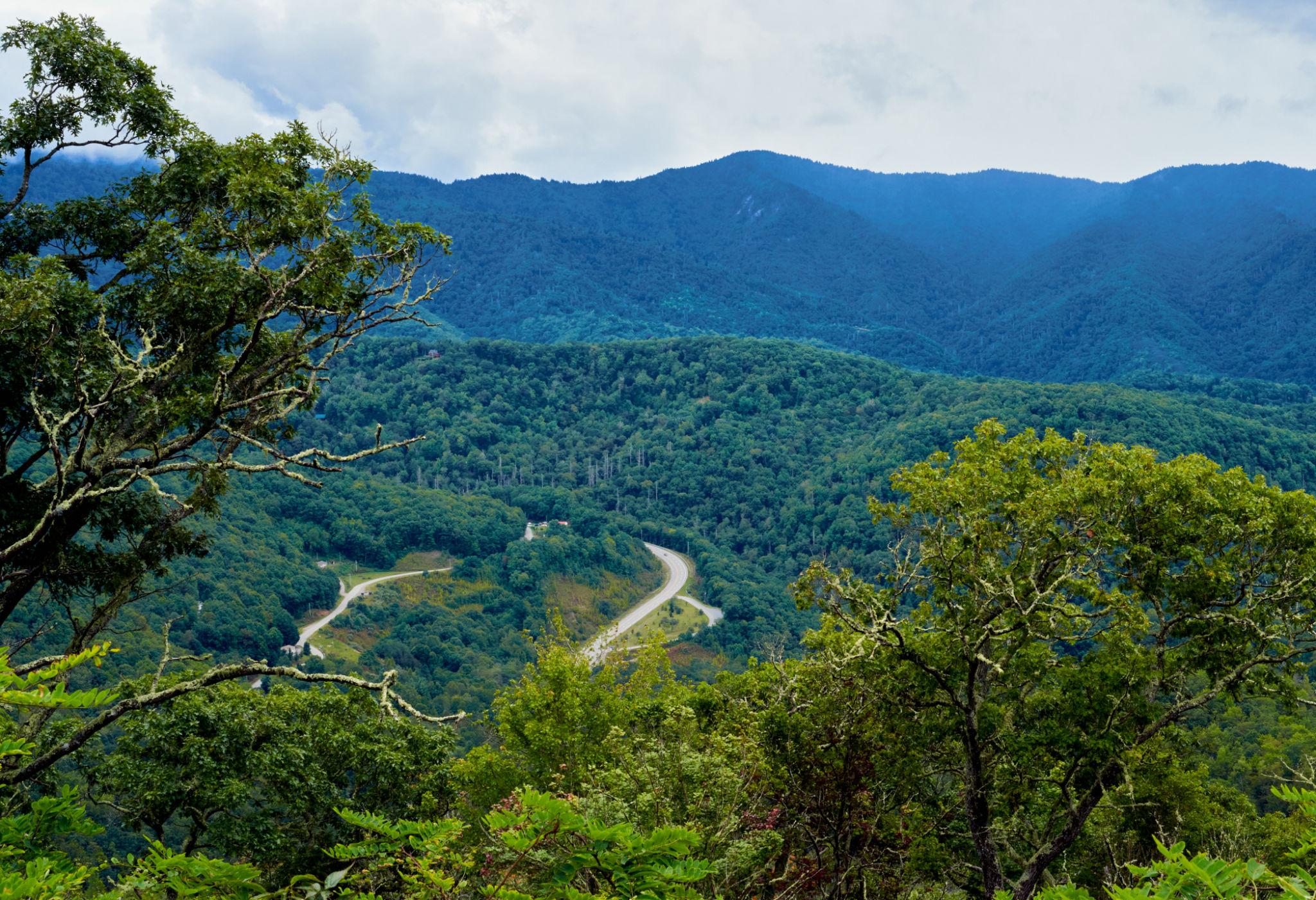
Maybe it has a long-range view. Maybe a creek runs along the edge. Maybe it sits at 4,000 feet with cool summer temperatures and incredible privacy.
And sometimes the price makes it seem almost too good to pass up.
But when buying vacant land in Western North Carolina, one question should come before almost everything else:
Can I actually build what I want on this property?
That question is especially important in Haywood County, where two similarly sized lots can have dramatically different building possibilities because of terrain, soil, road access, utilities, restrictions and environmental regulations.
Here are some of the things we encourage buyers to investigate before purchasing mountain land.
1. Start With the Septic System
If municipal sewer is not available, one of the first questions should be whether the property can support a septic system.
A beautiful five-acre parcel does not automatically mean there is a suitable septic area.
Haywood County Environmental Health evaluates and permits septic systems, and the county states that septic approval is required before a building permit can be issued where a septic system is necessary. New septic construction permits are generally valid for five years.
Before purchasing land, determine:
- Is there an existing septic permit?
- Is it still valid?
- How many bedrooms was the system approved for?
- Has the proposed homesite changed since the permit was issued?
- Is there adequate room for the drain field and required repair area?
- Would the location of the septic system limit where the house, driveway or garage could be placed?
A three-bedroom septic approval may work perfectly for one buyer and not at all for someone planning a five-bedroom home.
That is why the details matter.
2. Don’t Confuse Acreage With Buildable Acreage
One of the biggest mistakes buyers can make is assuming that acreage equals usable land.
A five-acre mountain parcel could include:
- Steep slopes
- Creeks
- Drainage areas
- Road rights-of-way
- Utility easements
- Septic areas
- Protected areas
- Terrain that would be extremely expensive to develop
Meanwhile, a well-positioned one-acre lot might offer an excellent homesite with easy road access and utilities nearby.
Usable land is often more important than total acreage.
3. Look Carefully at the Slope
Slope can have a major impact on both feasibility and construction cost.
Building on mountain property may require excavation, retaining walls, engineered foundations, driveway construction, drainage improvements and erosion-control measures.
Haywood County has a Slope Ordinance governing certain artificial cut-and-fill slopes, and land-disturbing work involving regulated slopes can require permitting.
This doesn’t mean steep land is bad land.
Some spectacular mountain homes are built on steep parcels.
It simply means buyers should understand the difference between possible to build and economical to build.
Those are not always the same thing.
4. Find Out How You Will Reach the Homesite
The road leading to the property matters.
So does the driveway leading from the road to the future house.
Ask:
- Is the road publicly or privately maintained?
- Is it paved or gravel?
- Is there a recorded right-of-way?
- Is there a road-maintenance agreement?
- Are there annual road-maintenance assessments?
- Can construction trucks reach the homesite?
- Can a concrete truck reach it?
- Is the road wide enough for large equipment?
- How steep would the driveway need to be?
- Is there room for vehicles to turn around?
Haywood County specifically allows private roads in subdivisions and states that the state or county is not obligated to maintain roads designated as private.
Road access isn’t simply a convenience issue.
It can become a construction-cost issue.
5. Check Water Before Assuming You Can Drill a Well
Many mountain properties use private wells.
Others may have access to municipal water, community water or shared wells.
Before purchasing, determine what actually serves the property.
If a private well will be needed, think about:
- Where the well can be located
- Required separation from the septic system
- Access for drilling equipment
- Estimated drilling depth
- Electrical service for the well pump
Haywood County Environmental Health handles well permitting and water-supply testing in areas under its jurisdiction.
A listing that says “well needed” should therefore be treated differently from one where a producing well is already installed.
6. Electricity Being “Nearby” Isn’t the Same as Electricity Being at the Homesite
This is another area where buyers can underestimate costs.
Power may be available along the road but still require significant expense to bring it to the house.
The farther the homesite sits from existing service, the more important it becomes to investigate the cost.
The same applies to:
- Internet
- Cable
- Natural gas
- Propane access
- Water
- Sewer
If high-speed internet is essential because you work remotely, verify the service at the specific property rather than assuming the surrounding neighborhood has it.
7. Read the Restrictions Before Designing the House
Mountain subdivisions can vary enormously.
One community might require:
- A 1,800-square-foot minimum home
- Architectural approval
- Specific exterior materials
- No manufactured homes
- No short-term rentals
Another community a few miles away may have considerably fewer restrictions.
Before purchasing, review:
- Recorded covenants and restrictions
- HOA documents
- Architectural requirements
- Minimum square footage
- Rental restrictions
- Setbacks
- Rules affecting garages, RVs or accessory buildings
If you’re buying the land with a specific plan in mind, verify that the plan is allowed before buying the property.
8. Check Flood, Watershed and Ridge Regulations
Not every mountain property is located high above potential water issues.
Creekfront and valley properties may have flood considerations, while other parcels may fall within protected watersheds or areas affected by mountain-ridge regulations.
Haywood County’s building-permit process can require watershed, flood-hazard and land-disturbance approvals depending on the particular property.
This doesn’t automatically prevent construction.
It simply means another level of research may be necessary.
9. Use GIS as a Starting Point—Not a Survey
Haywood County’s online GIS system is one of the most useful tools available when researching property.
It can help buyers investigate:
- Parcel boundaries
- Approximate acreage
- Topography
- Soils
- Flood information
- Roads
- Municipal boundaries
- Zoning information
However, Haywood County specifically cautions that its GIS maps are not surveys and that recorded deeds, plats and other primary documents should be consulted for formal verification.
That distinction is extremely important when planning a driveway, homesite, septic system or other improvement near a property line.
10. Ask a Builder to Walk the Property Before You Buy
One of the best things a serious land buyer can do is bring a local builder, grading contractor or engineer to the property before the end of the due-diligence period.
They may immediately identify issues that aren’t obvious from a listing or aerial photograph.
A builder might look at a lot and say:
“This is a very straightforward build.”
Or:
“We can build here, but you’ll spend substantially more on excavation, foundation and driveway work.”
Both properties may technically be buildable.
Financially, however, they can be completely different opportunities.
The Cheapest Lot Isn’t Always the Cheapest Place to Build
Imagine two mountain lots.
Lot A — $35,000
It has a spectacular view, but needs:
- A long driveway
- Major excavation
- A new well
- Septic approval
- Retaining walls
- Significant utility extensions
Lot B — $70,000
It already has:
- A cleared homesite
- Driveway access
- Septic approval
- Water available
- Underground utilities
- Easier terrain
Lot A costs half as much.
But Lot B could ultimately be the less expensive property once construction begins.
That is why experienced land buyers look beyond the list price.
Our Mountain-Land Checklist
Before buying vacant land in Haywood County, we recommend answering these questions:
- Is there a usable homesite?
- Is there a current septic permit?
- How many bedrooms will the septic support?
- Is water available?
- Where is electrical service?
- Who maintains the road?
- Is legal access recorded?
- What will driveway construction require?
- Are there HOA or deed restrictions?
- Are short-term rentals permitted if that matters to you?
- Is the property in a flood hazard or protected watershed area?
- Will slope or erosion-control regulations apply?
- Can construction equipment reach the homesite?
- What will site preparation likely cost?
- Does the property actually work for the home you want to build?
If those questions are answered before closing, buyers are much less likely to face an expensive surprise afterward.
Frequently Asked Questions
How do I know if land is buildable in Haywood County, NC?
There isn’t one single test. Buyers typically need to investigate septic feasibility, access, topography, utilities, restrictions and applicable county or municipal development requirements. A local builder or engineer can also help evaluate a prospective homesite.
Does a septic permit mean I can definitely build a house?
A valid septic approval is an important step, but it doesn’t address every aspect of construction. Road access, setbacks, slope, utilities, building requirements and private restrictions may still affect the project.
Can I buy land now and build several years later?
Yes, but permits and regulations can change. For example, Haywood County states that new septic construction permits are valid for five years. Buyers planning to hold land should understand which approvals may eventually need to be renewed.
Is steep mountain land impossible to build on?
No. Homes are routinely built on sloping mountain property. The bigger question is usually how the slope affects engineering, foundation design, grading, driveway construction and overall cost.
Should I buy land without a septic permit?
That depends on the circumstances and your tolerance for risk. If the ability to build a particular home is essential, investigating septic feasibility during due diligence can be extremely important.
Buying Land Is About More Than Buying Dirt
Buying mountain land can be one of the most rewarding ways to create exactly the property you want.
But in Western North Carolina, the view is only the beginning of the story.
The land beneath the view—the soil, slope, access, water, utilities, restrictions and homesite—is what ultimately determines what you can build and what it may cost.
At Better Homes and Gardens Real Estate Heritage, we help buyers evaluate land throughout Maggie Valley, Waynesville, Canton, Clyde and surrounding Haywood County communities.
Our goal isn’t simply to help you find acreage.
It’s to help you understand what you’re buying before you own it.
If you’re considering land in Western North Carolina, let us help you identify properties that match both your vision and the realities of mountain construction. For tailored guidance and a clear strategy, connect with us at Better Homes and Gardens Real Estate Heritage. Reach out directly at info@bhgheritage.com to start a conversation about your next move. Nobody Knows Homes Better.


