

 Facebook
 X
X
 Pinterest
 Copy Link
Buying a Mountain Home in Western NC? 7 Things Fall Reveals
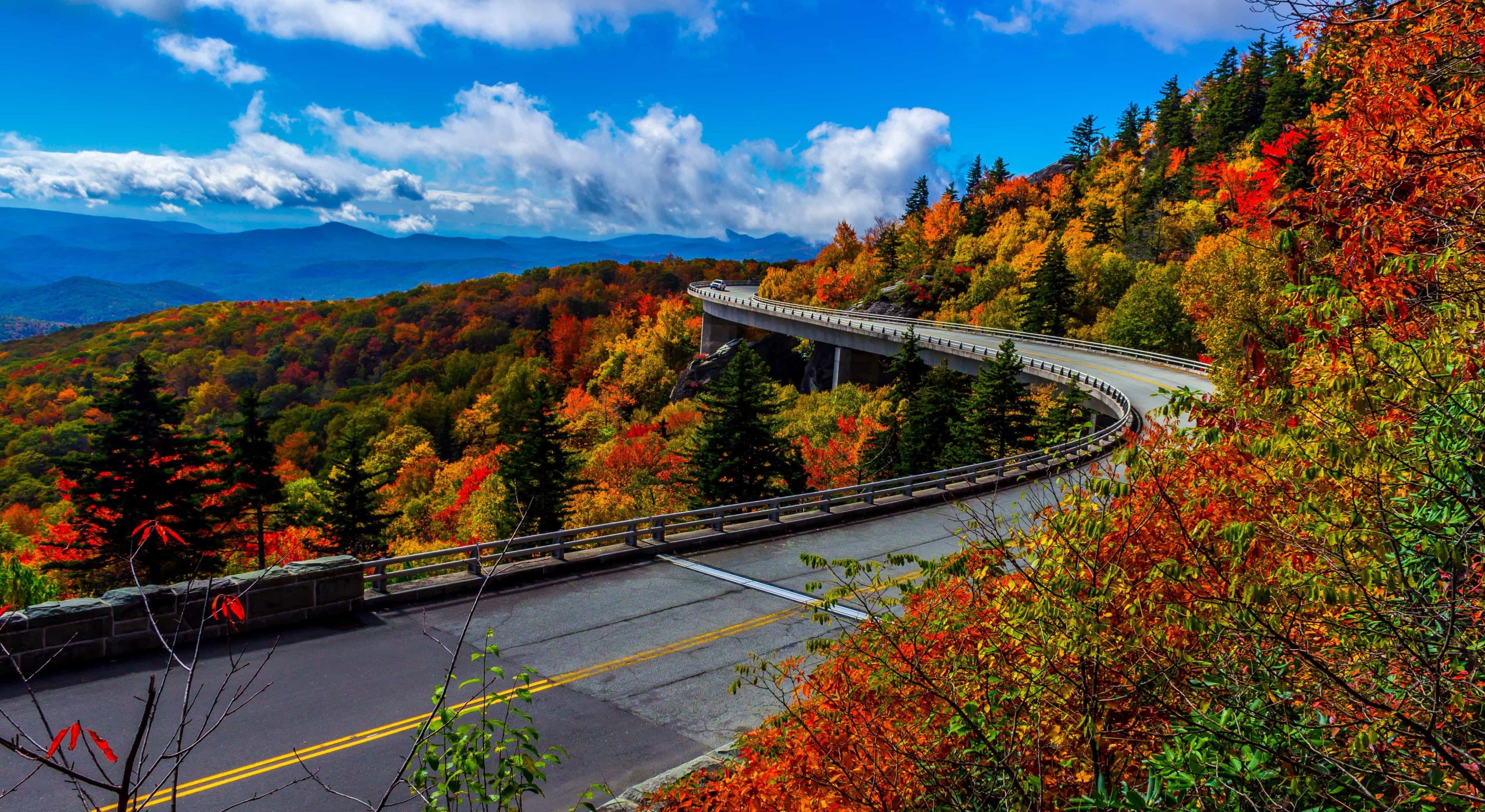
There may not be a prettier time to look at real estate in Western North Carolina than fall. The temperatures cool down, the mountains begin changing color, and homes tucked into the hills around Waynesville, Maggie Valley, Clyde and Canton can look especially inviting.
In fact, fall color around the Waynesville and Maggie Valley area typically becomes particularly noticeable during October as the color works its way from the higher elevations toward the valleys.
But if you’re considering buying a mountain home in Western North Carolina, don’t spend the entire showing looking at the view.
Fall can actually tell you quite a bit about how a mountain property may function throughout the year.
Here are seven things we encourage buyers to pay attention to.
1. Watch Where the Water Goes
Drainage is important with almost any home, but it deserves extra attention in mountainous terrain.
Look at the slope around the house. Does water naturally move away from the foundation? Are there visible swales, culverts or drainage pipes? Does the driveway direct water toward or away from the home?
Look for washed-out areas, exposed roots, erosion, standing water or staining along foundation walls.
A beautiful creek, stream or low-lying section of property can also be an asset, but buyers should understand the property’s relationship to mapped flood areas.
Haywood County’s GIS system contains layers for property boundaries, topography, streams, soils and flood-hazard areas, making it a useful starting point when researching a property.
A map shouldn’t replace professional evaluation, but it can help buyers know what questions to ask.
2. Look Up at the Roof—and the Trees Above It
One of the wonderful things about living in Western North Carolina is being surrounded by trees.
Those trees also mean leaves, limbs and moisture around your home.
During a fall showing, look at how many trees overhang the roof. Check whether leaves tend to collect in roof valleys or gutters. Notice large limbs that could eventually need trimming.
That doesn’t necessarily make a property undesirable. It simply gives you a better idea of the maintenance that may come with owning it.
For buyers relocating from places with fewer mature hardwoods, leaf management can sometimes be an overlooked part of mountain-home ownership.
3. Take the Driveway Seriously
That peaceful driveway winding through the trees may be one of the things you love most about the property.
Drive it slowly and pay attention.
How steep is it? Is it paved, concrete or gravel? Are there sharp switchbacks? Is there room to turn around at the top? Where would visitors park?
Then imagine making the same drive during a cold January morning instead of a sunny October afternoon.
A steep driveway isn’t automatically a problem. Plenty of mountain homeowners navigate them every day. But buyers should understand what they’re purchasing and whether it fits their comfort level and lifestyle.
This can be especially important for buyers who plan to use the property seasonally or as a second home.
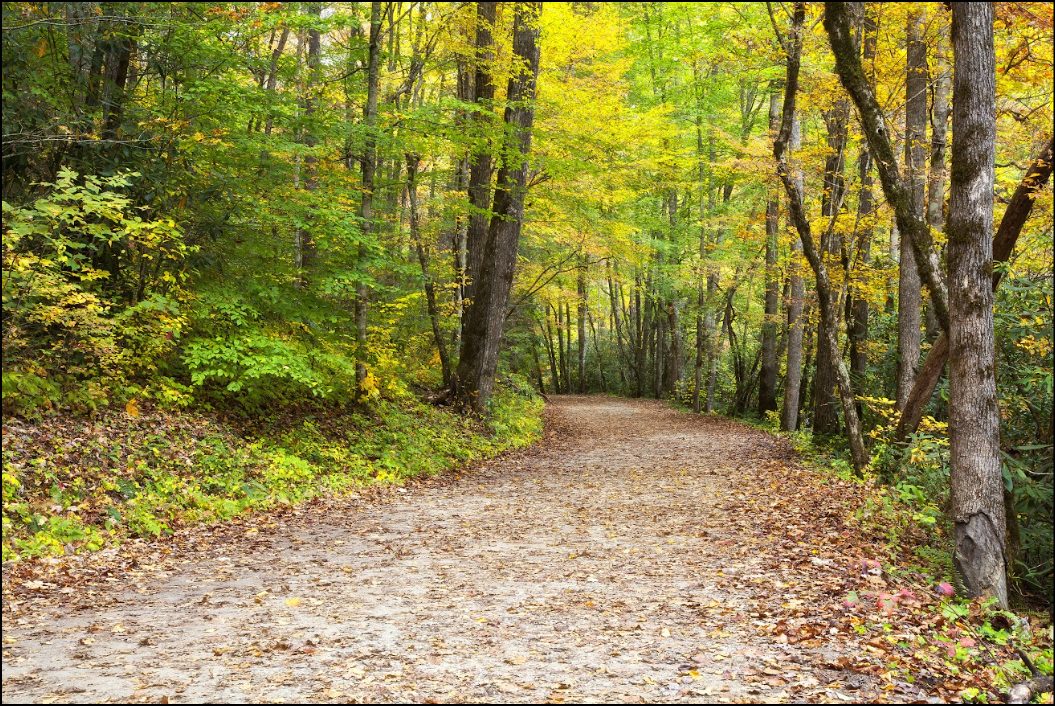
4. Notice How Much Sun the Home Actually Gets
Mountain properties can have dramatically different amounts of sunlight depending on which direction they face, surrounding ridgelines, elevation and tree cover.
Fall is an interesting time to evaluate this because the sun is getting lower in the sky and leaves are beginning to disappear.
A house that feels bright and sunny at 11 a.m. may be shaded by a nearby ridge surprisingly early in the afternoon.
That matters for more than the view.
Sun exposure can affect outdoor living spaces, gardening, snow and ice melt, indoor natural light and simply how a home feels during the winter months.
When touring a property you’re seriously considering, ask yourself:
Where does the sun rise? Where does it set? When does this property go into shade?
Those are very good mountain-home questions.
5. Pay Attention to Gutters, Decks and Exterior Wood
Fall provides a great opportunity to see how the exterior of a home deals with leaves and moisture.
Check gutters and downspouts. Look at decks, stairs and railings. Pay attention to wood siding, retaining walls and areas where vegetation sits close to the home.
In our mountain climate, managing water is one of the recurring themes of homeownership.
A home doesn’t have to be maintenance-free to be a good purchase. Very few homes are.
The goal is to understand what you’ll be maintaining before you own it.
6. Turn Your Attention to the Heating System and Fireplace
The fireplace may be one of the features that made you fall in love with the house.
Now find out what it actually is.
Is it wood-burning? Gas? Vented or unvented? Is it primarily decorative, or does the seller use it as a meaningful heat source?
Then ask about the main heating system.
Mountain homes can have heat pumps, furnaces, mini-splits, propane systems, wood-burning systems or combinations of several.
Ask about service history and approximate age, and let your home inspector evaluate the components that fall within the inspection.
October is also a much better time to imagine needing the heating system than a showing in July.
7. Don’t Forget About Radon
This is one of the less glamorous parts of buying a mountain home—but an important one to understand.
Radon is a naturally occurring gas associated with soil and rock. North Carolina health officials note that mountain and Piedmont counties are estimated to have a greater proportion of homes with elevated radon levels.
Most importantly, radon is highly property-specific. You cannot determine a home’s radon level simply from its location or a county map; testing the individual home is the way to know.
Fortunately, radon testing can be incorporated into the buyer’s due-diligence process, and elevated levels can often be addressed through mitigation.
Fall Isn’t Just Pretty. It’s Informative.

People travel from all over to experience autumn in Western North Carolina—and it’s easy to understand why.
But if you’re shopping for a home while you’re here, take advantage of the season.
Look beyond the colorful mountains.
Watch the drainage. Drive the driveway. Check the tree cover. Notice the sunlight. Look at the roof and gutters. Ask about heat. Understand the terrain.
Those observations can help you determine whether the mountain property you’re admiring is simply beautiful—or whether it is also the right home for you.
Local Knowledge Matters When Buying a Mountain Home
Buying real estate in Western North Carolina can be different from buying property in a flatter or more urban market.
Private roads, wells, septic systems, elevation, steep driveways, drainage, flood areas, retaining walls and access can all become part of the conversation.
That’s where having an agent who understands the area becomes especially valuable.
At Better Homes and Gardens Real Estate Heritage, we’ve been helping buyers and sellers navigate Haywood County and Western North Carolina for decades.
Whether you’re considering Waynesville, Maggie Valley, Canton, Clyde or another mountain community, our goal isn’t simply to help you find a beautiful property.
We want to help you understand what you’re buying.
Thinking about making Western North Carolina home? Contact Better Homes and Gardens Real Estate Heritage and let our local team help you explore your options.
Nobody Knows Homes Better.
Additional Resources
Haywood County GIS
Haywood County GIS Maps
North Carolina Radon Program
NC Radon Program and Radon Data
Visit North Carolina Fall Color Guide
Visit NC Fall Color Guide


